

Last Updated: September 30, 2026
What Makes Carbon Steel Good for Welding?
Carbon steel for welding is the workhorse of the shop because it fuses cleanly, takes filler metal predictably, and holds structural strength without exotic handling. The lower the carbon content, the easier it welds, a fact that drives most material decisions in a fabrication shop.
Carbon Content and the Heat Affected Zone
The heat affected zone is the strip of base metal next to your weld that got hot but never melted. In low-carbon steel it stays ductile; in higher-carbon grades it can transform into hard, brittle martensite as it cools.
Is Mild Steel the Same as Carbon Steel?
Yes, mild steel is a type of carbon steel. "Mild" describes low-carbon steel, generally under 0.25% carbon, within the broader carbon steel family alongside medium and high-carbon grades.
Weldability of Carbon Steel Grades: Low, Medium, and High Carbon
Weldability drops as carbon rises, and fast. Carbon is what makes steel hardenable, so the same element that gives a grade its strength makes a weld zone brittle. The practical cutoff most fabricators use is 0.30% carbon: below it, ordinary shop practice works; above it, you are managing heat, not just running a bead.
Grade |
Carbon Range |
Weldability |
Preheat Needed |
Typical Use |
|---|---|---|---|---|
Low carbon |
Up to 0.25% |
Excellent |
Usually no |
Structural, plate, tubing |
Medium carbon |
0.30%-0.60% |
Fair |
Yes |
Shafts, gears, repairs |
High carbon |
0.60%+ |
Poor |
Yes, plus post-weld treatment |
Tools, springs, blades |
What Carbon Actually Does in the Weld Zone
When you weld, the base metal next to the weld pool heats above its transformation temperature and then cools. Low-carbon steel produces ferrite and pearlite, soft, ductile microstructures that tolerate stress. Medium and high-carbon steel can produce martensite, a hard, brittle phase that cracks under load or its own residual stress.
Filler Metal Selection by Grade
Filler choice follows the base metal, not the other way around.
- Low-carbon steel (A36, A500, A513, 1018): match strength with ER70S-6 for MIG, ER70S-2 or ER70S-6 for TIG, and E7018 or E6013 for stick. ER70S-6 is the default because its higher silicon and manganese content improves wetting and handles light mill scale better than ER70S-2.
- Medium-carbon steel: use a low-hydrogen filler such as E7018 or ER80S-D2, and preheat before you strike an arc. Low-hydrogen electrodes limit the hydrogen that drives cold cracking in hardenable steel.
- High-carbon steel: welding is generally limited to repair work. Preheat is mandatory, low-hydrogen filler is mandatory, and post-weld heat treatment is usually required to soften the heat affected zone.
Process Selection: MIG, TIG, or Stick
All three common processes weld low-carbon steel well, so the choice is usually about position, thickness, and finish.
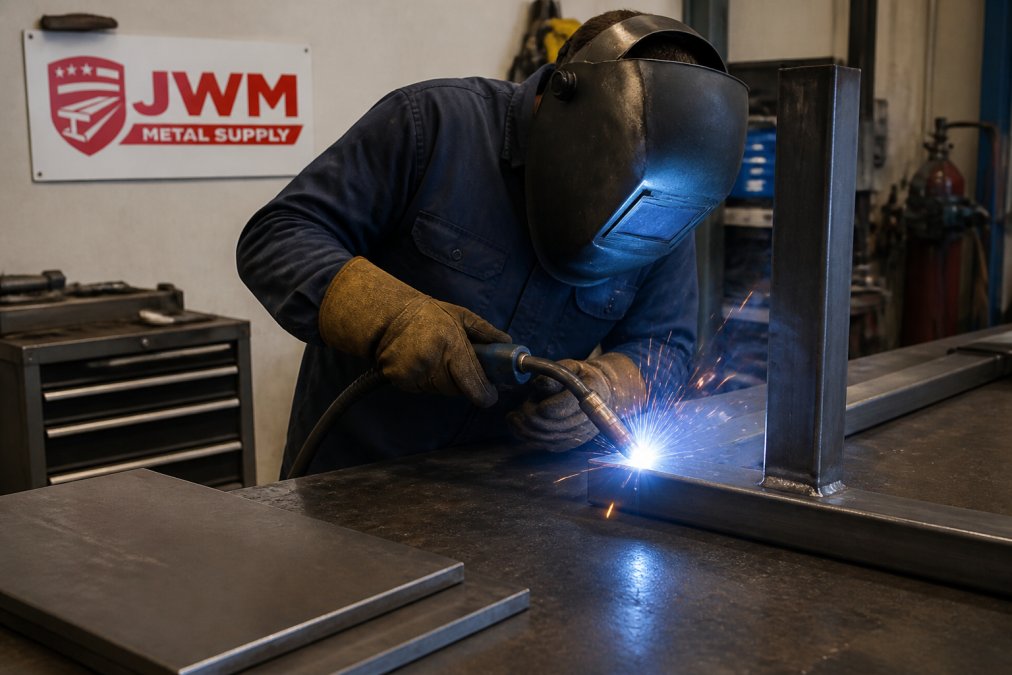
MIG (GMAW) is the fastest for production and general fabrication. It runs well on 1/8" and up, handles long beads, and is forgiving of minor fit-up gaps. Use it for frames, brackets, and anything with a lot of weld length.
- TIG (GTAW) gives the cleanest bead and the most control, making it the pick for thin-wall tubing, visible joints, and precision parts like 1018 components. It is slower and demands cleaner base metal.
- Stick (SMAW) is the choice for outdoor work, dirty or rusty material, and repair jobs where portability matters. E6013 runs smooth on clean low-carbon steel; E7018 gives higher strength and lower hydrogen on structural work.
Preheating and Post-Weld Heat Treatment Basics
Preheating raises the base metal temperature before welding so the weld pool and surrounding steel cool together at a slower, more even rate. Post-weld heat treatment does the same after the fact, softening the heat affected zone and relieving residual stress.
Common Defects Tied to Grade
The defects you fight change with the carbon level. Low-carbon steel mostly gives you porosity from contamination and poor penetration from low heat. Medium and high-carbon steel add cracking, the one that fails silently.
A36 Steel for Welding and Fabrication
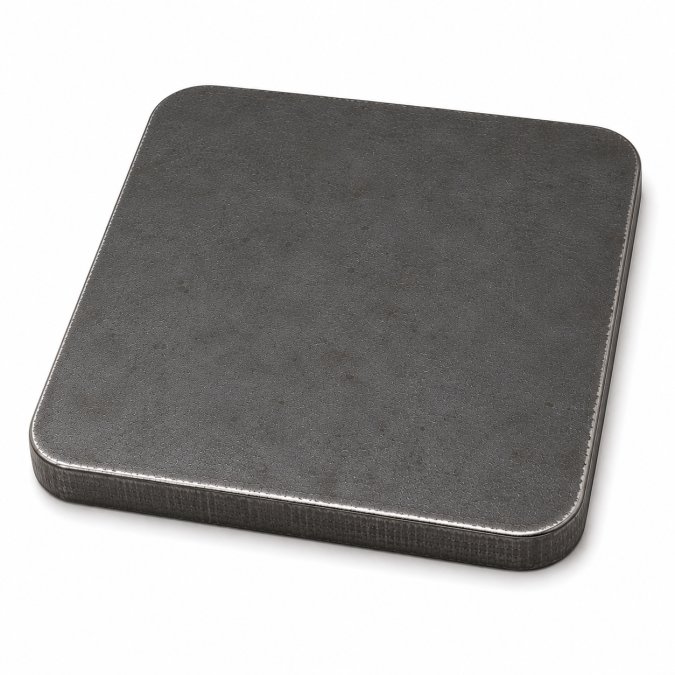
A36 is the most common structural carbon steel in the shop, and it welds beautifully. It is a low-carbon hot rolled steel used for plates, brackets, frames, and general fabrication where strength and cost matter more than precision finish.
A500 Grade B and A513 Steel Tubing for Structural Projects
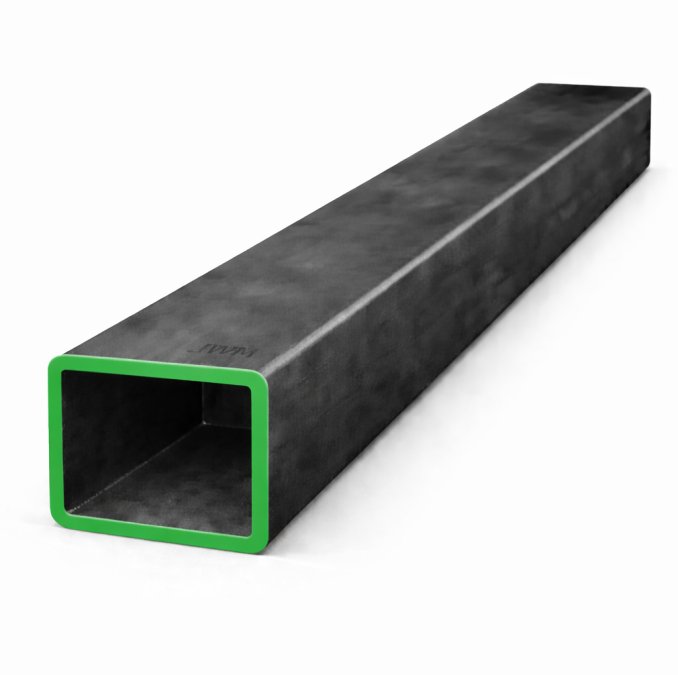
A500 Grade B and A513 are the two specifications behind most square and rectangular steel tubing. Both are structural-grade carbon steel, both weld well with MIG or TIG, and the square profile gives rigidity flat bar or angle cannot match.
1018 Cold-Rolled Steel: Precision Parts and Machined Components
1018 is a low-carbon cold-rolled steel with a clean finish and tight tolerances. It welds easily and machines better than hot rolled A36, making it the pick when a part needs both a good weld and a precise fit.
15" x 27" Steel Rectangle Plate -- 1/4" →
Best Steel for DIY Welding Projects: Matching Material to Your Build
The right steel depends on what you are building, not on a single "best" grade. A fire pit base, a trailer repair, and a precision bracket each call for different material. Most guides stop at metallurgy and never answer what a beginner actually needs: which grade and form to buy.
Project-First Selection Guide
Work from the project backward to the material. The table below maps common builds to a starting grade and form.
Project Type |
Recommended Grade |
Form |
Why It Fits |
|---|---|---|---|
Fire pit base, decorative rings |
A36 |
1/8" circle plate |
Welds easily, takes heat, inexpensive |
Brackets, mounting plates |
A36 |
1/8" square plate or 1/4" flat bar |
Flat, drillable, weld-ready |
Trailer frames, racks, gates |
A500 Grade B |
Square and rectangular tubing |
Structural rating, high rigidity per pound |
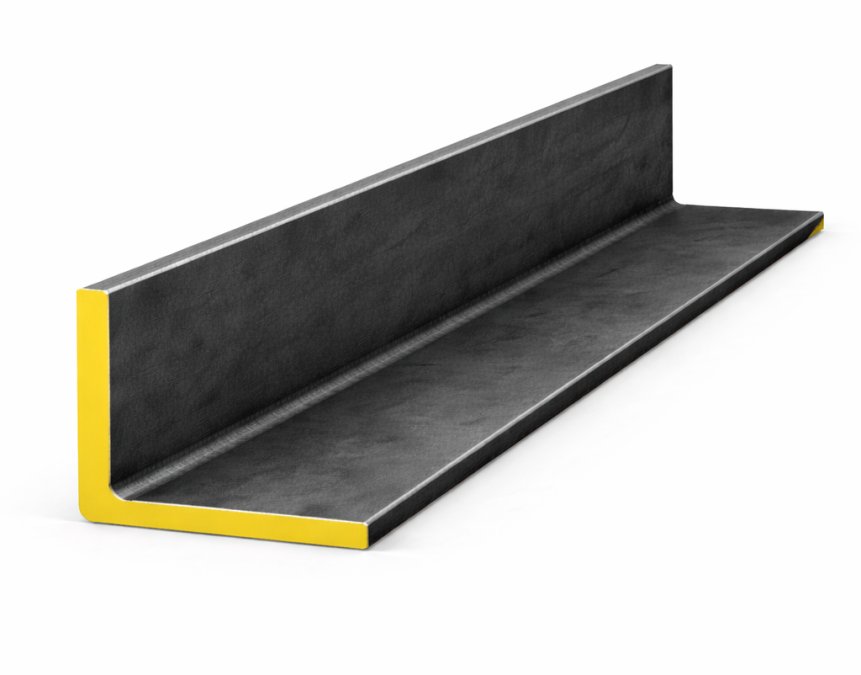
Light supports, bracing, corners, such as our 1" x 1" x 3/16" Angle Iron or 1" x 1" x 1/4" Angle Iron |
A36 |
Cheap, stiff, easy to fit |
|
Precision components |
1018 |
Cold-rolled |
Tight tolerances, machines cleanly |
Furniture frames, visible joints |
A513 |
Mechanical tubing |
Smooth finish, consistent dimensions |
Matching Form to Fabrication Method
Form matters as much as grade. Tubing gives stiffness with less weight, which is why trailer frames and racks use it. Flat bar and angle are cheaper per pound and easier to fit at right angles, so they dominate brackets and bracing. Plate is the base for anything needing a flat, weldable surface.
Cost-to-Weldability Trade-Off for Beginners
For a hobbyist on a budget, the best carbon steel for welding is almost always a low-carbon grade in a common form. A36 plate and angle, A500 tubing, and 1018 cold-rolled bar all weld with standard filler and no preheat, so you spend money on material and time on technique rather than heat treatment.
Sourcing and Identifying Carbon Steel Before You Buy
A few practical checks:
- Confirm the ASTM or AISI designation, not just "carbon steel"
- Request material certifications for structural work
- Match wall thickness and dimensions to your design before ordering
- Verify the country of origin if the project specifies domestic steel
JWM Metal Supply provides material certifications on request and ships American-made steel cut to exact length, with no minimum order, whether you are a hobbyist building one part or a shop running production.
Common Welding Defects in Carbon Steel and How to Avoid Them
Most carbon steel defects trace back to preparation, heat control, or contaminated filler. Fix those three and the rest follows.
Defect |
Cause |
Fix |
|---|---|---|
Porosity |
Moisture, oil, or dirt in the weld zone |
Clean base metal and filler; check shielding gas |
Cracking |
Fast cooling, high carbon, no preheat |
Preheat; control cooling rate |
Slag inclusion |
Poor technique, low amperage |
Adjust travel speed and current |
Poor penetration |
Low heat, wrong joint prep |
Increase amperage; bevel thick joints |
Bead profile issues |
Wrong angle or travel speed |
Steady the torch angle and pace |
Frequently Asked Questions
What is the best type of carbon steel for welding projects?
Low-carbon steel with a carbon content under 0.30% is the most weldable. ASTM A36 plate, A500 Grade B tubing, and A513 tubing are common choices because they weld cleanly with MIG, TIG, or stick processes. For projects needing precise machined parts, 1018 cold-rolled steel is a strong option. The right carbon steel for welding depends on your application, material form, and strength requirements, not a single universal grade.
Is 1018 carbon steel weldable?
Yes. 1018 is a low-carbon, cold-rolled steel with roughly 0.18% carbon, which puts it well inside the weldable range. It takes MIG, TIG, and stick welding without preheating in most thicknesses. The cold-rolled finish is cleaner than hot-rolled, so you get less mill scale and a smoother bead profile. It is often used for machined components that also need welded joints.
Why is low-carbon steel preferred for welding projects?
Low-carbon steel has less carbon in the base metal, so the heat affected zone stays ductile instead of turning hard and brittle. That reduces the risk of cracking, porosity, and slag inclusion. Low-carbon grades also weld with standard filler metal and shielding gas setups, which keeps the process simple for hobbyists and fabrication shops alike. A36, A500, and A513 all fall into this weldable range.
Can you weld A500 Grade B tubing?
Yes. A500 Grade B square and rectangular tubing welds easily with MIG, TIG, or stick processes. It is structural-grade steel commonly used for trailers, frames, racks, and agricultural equipment. Clean the mill scale and oil off the surface before welding, fit your joints tight, and use a filler metal matched to the base metal thickness. JWM Metal Supply stocks A500 Grade B tubing cut to your exact length.
What should I look for when buying steel for DIY welding projects?
Check the grade and carbon content first, since low-carbon grades weld best. Confirm the material form matches your build: plate for brackets and gussets, tubing for frames, angle iron for bracing. Ask for material certifications if the part is load-bearing, and verify the cut tolerance so pieces fit without extra grinding. Buying American-made steel cut to length saves prep time and reduces waste on small projects.