

Last Updated: November 21, 2026
Quick Summary
When mills raise hot-rolled coil prices, steel prices for tubing follow, but not immediately and not one-to-one. Coil price is the first of four links in the chain, followed by forming and welding, finishing, and distribution. Buyers who track the coil market get fewer surprises.
- Mill price changes often lag the published index by weeks, so a chart dip is not an instant buying opportunity.
- Cold-rolled tubing costs more than hot-rolled because extra processing, not the steel, drives the gap.
- Tight supply pushes tube prices up faster than coil charts suggest as lead times stretch.
- Freight, cut charges, certification requests, and order size also move the final tube number.
- Volatile coil markets reward buyers who plan in weeks, not months, and buy to actual project length.
Table of Contents
- How Hot-Rolled Coil Prices Flow Into Steel Tubing Prices
- Reading a Steel Price Chart Without Getting Burned
- Hot-Rolled vs. Cold-Rolled Tubing: Where the Price Gap Comes From
- How Processing Affects Surface Finish, Scale, and What You Pay For
- Strength, Dimensional Tolerance, and Material Properties
- Supply, Demand, and Market Conditions That Move Tube Quotes
- Separating Raw-Material Changes From Other Cost Drivers
- Buyer Actions During Volatile Markets
- Frequently Asked Questions
How Hot-Rolled Coil Prices Flow Into Steel Tubing Prices
When mills raise hot-rolled coil prices, steel prices for tubing follow, but not immediately and not one-to-one. This chain is a major factor in what you pay for cut-to-length tubing.
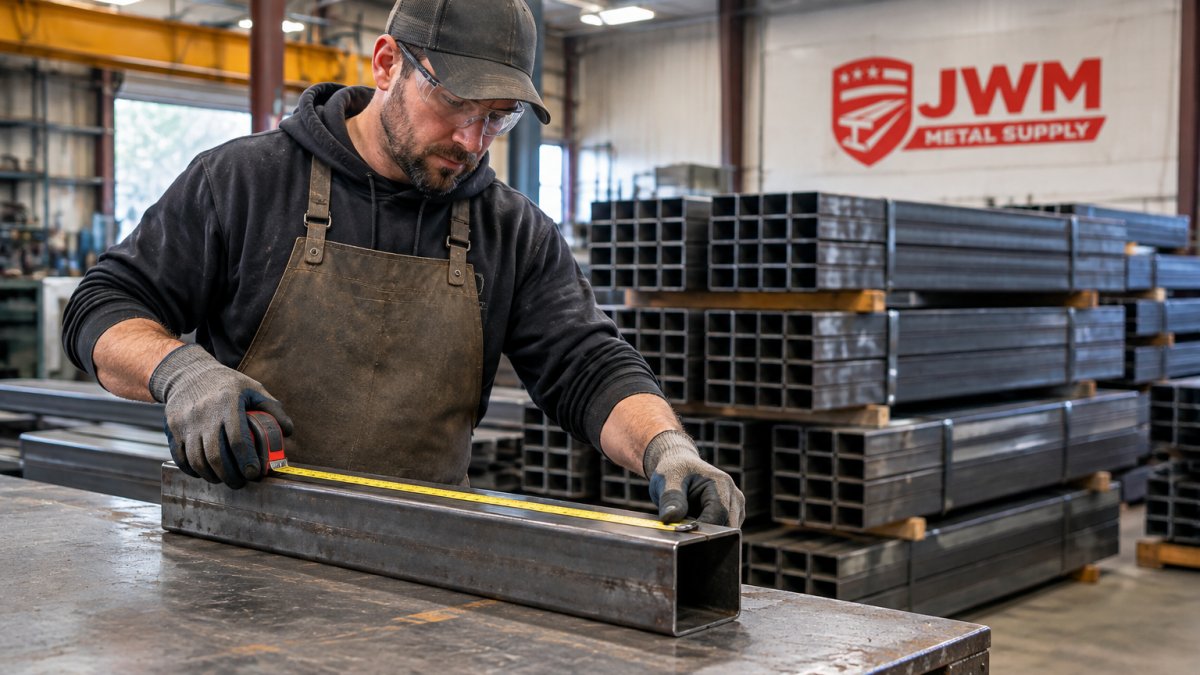
Hot-rolled coil is steel heated above its recrystallization temperature and rolled into continuous strip, then coiled, the raw material most mechanical and structural tube is made from.
A few cents per pound becomes a real line item across wall thickness and length, so buyers who track the coil market get fewer surprises.
Reading a Steel Price Chart Without Getting Burned
A steel price chart records published index values over time, usually per ton or per hundredweight, and shows direction and timing, not your exact quote. Track trends over weeks, compare the same index consistently, and separate coil movement from tube movement.
For a concrete look at tubing quotes, our breakdown of 3x3 square tubing 20 ft price walks through length, wall, and pricing structure. The most common mistake is treating a chart dip as an instant buying opportunity, mill price changes often lag the index by weeks.
Hot-Rolled vs. Cold-Rolled Tubing: Where the Price Gap Comes From
Cold-rolled tubing costs more than hot-rolled because extra processing, not the steel, drives the gap. Both start as hot-rolled coil; cold rolling happens after cooling, improving tolerance, surface finish, and strength consistency.
| Factor | Hot-Rolled Tubing | Cold-Rolled Tubing |
|---|---|---|
| Surface finish | Mill scale, oxidized surface | Clean, smoother finish |
| Dimensional tolerance | Wider tolerance range | Tighter tolerance, less wall deviation |
| Relative cost | Lower | Higher |
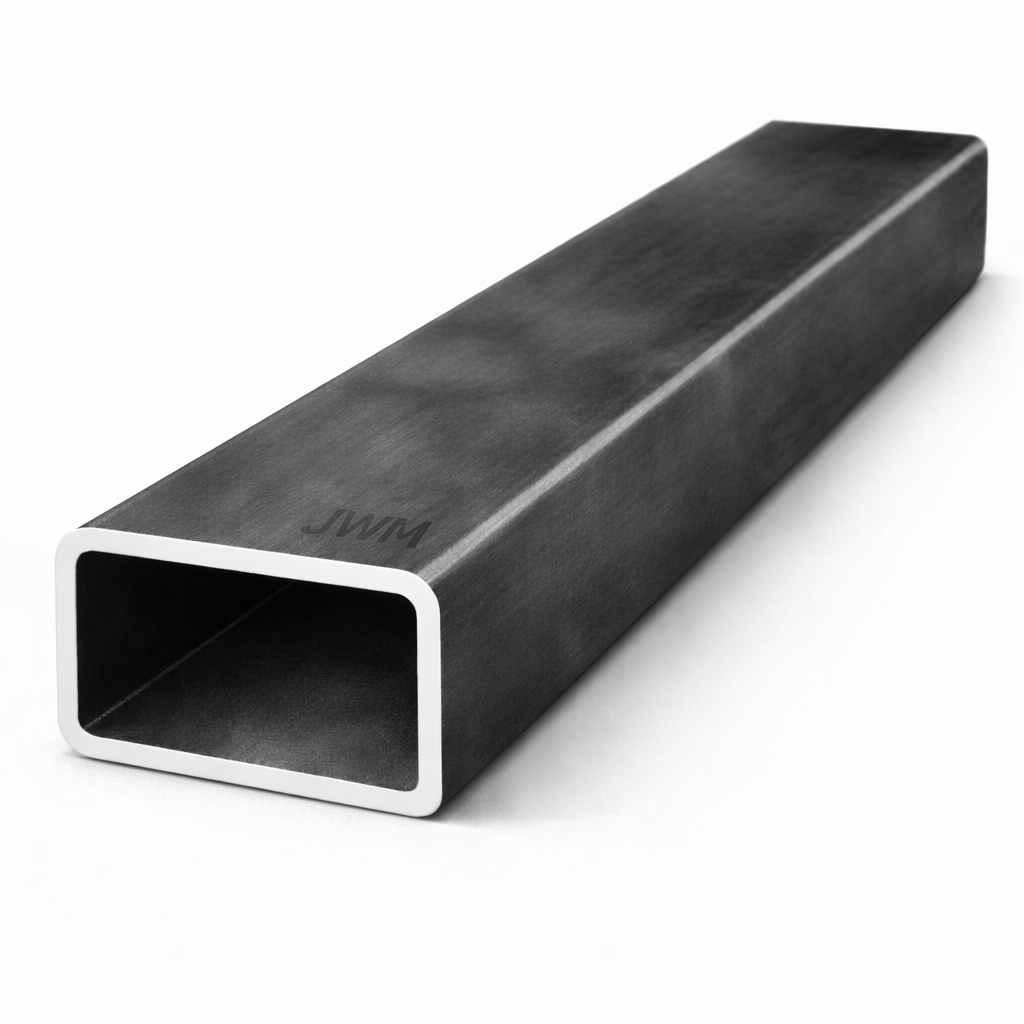
The gap widens when processing costs rise and narrows when mills are hungry for volume. For the cold-rolled premium, our article on whether cold rolled steel round bars are worth it covers the trade-offs. For real specs, see our 1-1/2" x 2" 11ga rectangle steel tubing and our 2" x 4" x 11ga rectangle steel tubing.
How Processing Affects Surface Finish, Scale, and What You Pay For
Mill scale is the dark oxidized layer on hot-rolled steel as it cools, and it is normal, not a defect.
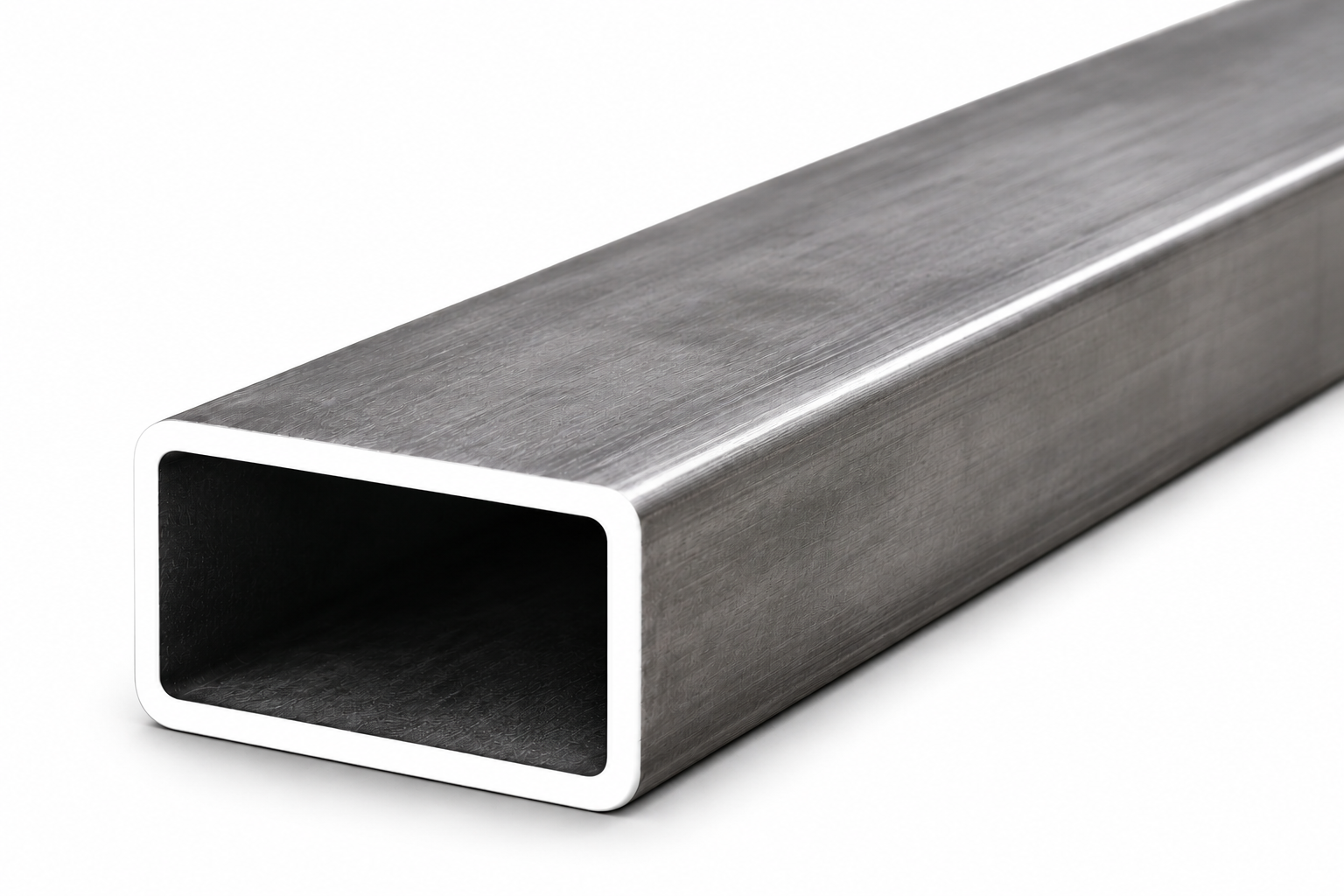
Light surface rust, scratches, and scale variation are normal on raw mill-finish tube. If you weld and paint over the tube, raw mill finish is cost-effective; if it stays visible or needs a tight fit, the finishing premium earns its place.
Strength, Dimensional Tolerance, and Material Properties
Wall thickness and dimensional tolerance decide how much tube you actually get. A tube quoted at 11 gauge with a wide tolerance may run thinner than nominal, changing strength and weld behavior; tight tolerance costs more because it takes more processing control.
A500 Grade B carbon steel is the material listed for our 3" x 4" and 2" x 4" rectangle tubing.
Supply, Demand, and Market Conditions That Move Tube Quotes
Tight supply pushes tube prices up faster than coil charts suggest: when mills run full and lead times stretch, distributors hold firm and buyers lose negotiating room. When demand softens, discounts reappear at the tube level before published coil indexes show them.
Tariffs and trade policy add another layer, reaching tubing buyers through mill pricing.
Separating Raw-Material Changes From Other Cost Drivers
Not every tube price increase is a coil story. Freight, cut charges, certification requests, and order size all move the final number; separating these tells you whether a quote increase is market-wide or specific to your order.
Buyer Actions During Volatile Markets
Volatile coil markets reward buyers who plan in weeks, not months. Buy to your actual project length, and ask about material certifications for load-bearing applications.
Coil prices will keep moving, and the shops that stay ahead are the ones that buy cut-to-length material instead of guessing at full-stick quantities. JWM Metal Supply cuts American-made carbon steel tubing to your exact length with no minimum order, ships in 1-5 business days, and provides material certifications on request. Get started with JWM Metal Supply and order the tube size your project actually needs.
Frequently Asked Questions
Does cold-rolled steel cost more than hot-rolled steel?
Yes. Cold-rolled steel goes through extra processing after hot rolling: the coil is pickled, then rolled again at room temperature to tighten tolerances and improve surface finish. That extra step adds cost, so cold-rolled tubing typically quotes higher than hot-rolled tubing of the same size. If your project does not need a smooth finish or tight dimensional tolerance, hot-rolled tubing does the same structural job for less money.
How long does it take for hot-rolled coil price changes to reach tubing quotes?
It depends on what you are buying. Mill price changes on hot-rolled coil can reach tubing quotes within weeks when distributors and tube mills are repricing stock, but longer when a supplier is working through inventory bought at older prices.
What factors besides steel prices affect tubing costs?
Raw material is the biggest line, but not the only one. Tube size and wall thickness change how much steel goes into each piece, so larger profiles and heavier walls cost more. Cut length, saw-cut tolerances, and material certifications add labor. Freight and order quantity also shift the final number. That is why two quotes for the same size tubing can differ even when both suppliers bought coil at the same mill price.
